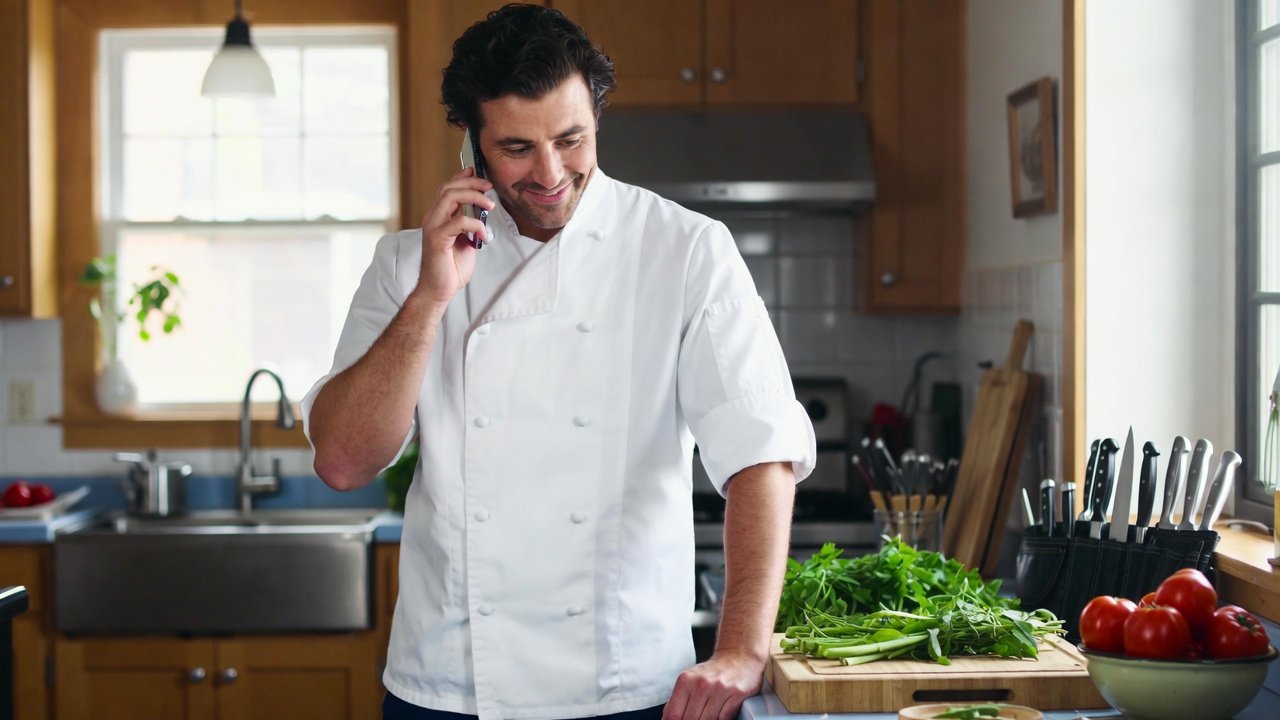
Why Most New Personal Chefs Struggle to Get Their First Client (And Why It’s Not About Cooking Skill)
I hear the same thing from almost every chef who wants to go independent: “I know how to cook. Why can’t I get clients?”
The answer isn’t because your food isn’t good enough. It’s because you’re trying to sell something you haven’t even defined yet.
Most new personal chefs jump straight into marketing mode. They post on Instagram, build a website, maybe ask friends for referrals. Then they wait. And wait. And after three months with no bookings, they convince themselves the market just doesn’t want their services.
That’s not what’s happening. What’s actually happening is you’re invisible to the people who are ready to buy.
In this post, I’ll walk you through the exact 30-day system I used to book my first clients when I went independent. This isn’t theoretical marketing stuff. It’s the process I still use, and it’s what I teach every chef in the Book Your First Client course on Skool. By the end of this post, you’ll know exactly what to do when someone asks “how much do you charge?” and you’ll have a clear path to your first confirmed booking.
Define Your Ideal Client Before You Market to Anyone
This is the step everyone skips. And it’s the step that changes everything.
When I started my private chef business, I could have cooked for anyone: families, corporations, small dinner parties, weddings, wellness retreats. But trying to appeal to everyone means you appeal to no one. Your marketing gets confused. Your pricing feels arbitrary. And you end up chasing every lead that comes your way, even the ones that drain you.
Here’s what I did instead. I sat down and wrote down:
What’s the person or group I actually want to cook for? For me, it was families in my region hosting special dinners and celebrations. Not corporate catering. Not meal prep services. Not event companies. Families.
What’s their budget range? If someone’s hosting a dinner party for 8 people, they’re typically willing to spend between $1,200 and $2,500. That’s very different from someone looking for weekly meal prep, who might have a $400/month budget. Know this before you talk to anyone.
What’s their biggest pain point? For my clients, it wasn’t that they couldn’t cook. It was that they wanted to host a great dinner party without spending the whole day in the kitchen. They wanted to be present with their guests, not stressed and sweaty at the stove.
What does the transaction look like? Are they booking you for one event? Recurring monthly dinners? A special occasion they’ve been planning for months? This changes your whole sales approach.
Once you’ve answered these four questions, you’ve just eliminated 80% of the wrong prospects. And you’ve made it possible to actually reach the right ones.
The Three Fastest Channels to Get Your First Client
There are hundreds of ways to market yourself as a personal chef. But when you’re just starting out with zero clients and zero proof, most of them won’t work. You need channels that reward effort in days or weeks, not months.
Here are the three channels I used, in order of speed:
1. Warm Network (Your Immediate Circle)
This is where your first clients will come from. Not because it’s magical. Because your friends and family already trust you.
Make a list of everyone you know well enough to have a real conversation with. Don’t be shy here. That includes people from old jobs, your neighborhood, sports teams, church groups, family friends, parents from kids’ school. Anyone who knows you’re a good person and a good cook.
Then, one at a time, reach out. Not with a sales pitch. With a conversation. “Hey, I just went independent as a private chef. I’m booking my first few clients right now, and I’m looking for people who want to host a dinner party without the stress of cooking. If you know anyone who might be interested, I’d love to chat with them.”
You’re not asking them to book you (though some will). You’re asking for introductions. And people who like you will introduce you to people who like them.
Timeline: You can reach out to your whole network in a week. First bookings usually come within two weeks.
2. Local Online Groups (Facebook, Nextdoor, Community Pages)
Every neighborhood has online groups. Facebook groups for your city. Nextdoor communities. Local buy-and-sell pages. LinkedIn groups for your region. These are full of people who already live near you and are accustomed to finding services locally.
Join the groups for your area. Spend a week just reading. Figure out the culture. Then, when it feels natural, post something like: “I’m a private chef taking on a few new clients in [your area] for special dinners. I handle everything from menu design to cleanup. If you’re interested in hosting a dinner party without the cooking stress, let me know.”
Don’t be salesy. Be real. If someone asks a question, answer thoroughly. If someone’s skeptical, give them a reason to trust you. Most of the people in these groups are used to hiring local services. They get it.
Timeline: You can be active in three to five groups within a week. First inquiries usually come within two to three weeks.
3. Google Business Profile (Local Search)
This is the slowest of the three, but it’s the one that keeps working. A Google Business Profile is free, takes about an hour to set up, and puts you in front of people actively searching for “personal chef near me.”
Set it up. Add your service area. Write a clear description of what you do. Upload a few photos of your work if you have them (even phone photos are fine). Ask your first few clients to leave reviews once they’ve booked.
The first month, you might get zero inquiries. But by month three or four, it becomes a quiet, consistent source of leads. People searching specifically for what you do, at the exact moment they’re ready to book.
Timeline: Setup takes one to two hours. First organic leads usually come after four to eight weeks.
That’s it. Three channels. If you focus on these instead of trying to build an Instagram following or chase TikTok virality, you’ll book clients faster.
What to Say When Someone Asks “How Much Do You Charge?”
This is where most new chefs freeze up. They either underquote because they’re insecure, or they give a number so high it kills the conversation.
Here’s the rule: you don’t quote a price before you know what you’re quoting on.
When someone asks “how much do you charge?”, the answer is not a number. The answer is a question: “It depends. What are you thinking for your event?”
Then listen. They’ll tell you:
How many guests? 8 people hosting a dinner party is very different from 4 people cooking for friends.
What kind of meal? A three-course dinner is different from a casual lunch. A dietary-restriction meal plan is different from a celebration dinner.
What’s included? Are you just cooking? Are you staying for service? Are you handling dessert? Are you doing cleanup?
Once you know these things, you can give a real quote based on your actual costs and time. For a private event, I charge by the person, or by the event, depending on what makes sense for the scope.
Here’s what I actually say: “For a four-course dinner with service and cleanup, I charge $X per person. That means for your group of eight, you’re looking at around $[total]. Does that work for what you had in mind?”
If they hesitate, you have options. You can scale down. You can offer a simpler menu. You can adjust the scope. But you’re doing it from a position of knowing what your time and skill are worth, not apologizing for your rate.
The Inquiry-to-Booking Conversation (What to Send, When to Follow Up)
Once someone shows interest, there’s a conversation that needs to happen. This is where most chefs lose people. They either respond too slow, too pushy, or with a wall of text instead of clarity.
Here’s the exact sequence I use:
First message back (within 24 hours, ideally within a few hours): Thank them for reaching out. Answer whatever question they asked. Ask the clarifying questions you need: date, guest count, any allergies or preferences, rough budget if they mentioned price.
Don’t write a novel. Keep it short. The goal is to get the key information so you can give them a real quote.
They’ll usually respond with their answers, or sometimes ask more questions. Answer those questions. Then send your proposal: “Based on what you’ve told me, here’s what I’d suggest for your event… [menu outline, pricing, timeline, what’s included].”
Wait for their response. If they go quiet, send one follow-up in three to five days: “Hey, just checking in. Do you have any other questions about the proposal? I’d love to make this happen.”
If they’re still quiet after that, let it go. Not everyone who inquires will book. That’s normal.
If they respond positively and seem ready to move forward, that’s when you move to the booking conversation.
Getting the Deposit and Confirming the Booking
Once someone says “yes, I want to book you,” the process is simple but needs to be clear.
Send them a booking form or confirmation email with: the date, guest count, location, what’s included, the total price, and the deposit amount due.
For most events, I require a 15% deposit to secure the date. That deposit is due within 7 days. The remaining balance is due the Monday after the event.
Once the deposit is paid, send them a confirmation: “Your booking is confirmed. Here’s what happens next: [pre-event check-in date], final invoice due [date], I’ll arrive at [time].”
This whole sequence, from first inquiry to confirmed booking with deposit, usually takes two to three weeks. The deposit secures the date and shows they’re serious. The remaining balance after the event ensures you get paid.
Your Next Step: Learn the Complete System
Everything I’ve outlined here is the foundation. But there’s more: how to build repeatable follow-up systems so inquiries turn into bookings consistently. How to handle objections when people say “that’s too expensive.” How to fill your calendar without doing sales all day.
That’s exactly what I teach in the free Book Your First Client course on Skool. Six modules walking you through the same system I used to go from zero clients to a booked calendar. Real templates. Real examples. Real conversations.
The course is free. No credit card. No upsell.
Join the free “Book Your First Client” course on Skool. You’ll get the complete system, templates you can use immediately, and access to a community of chefs doing the same work.