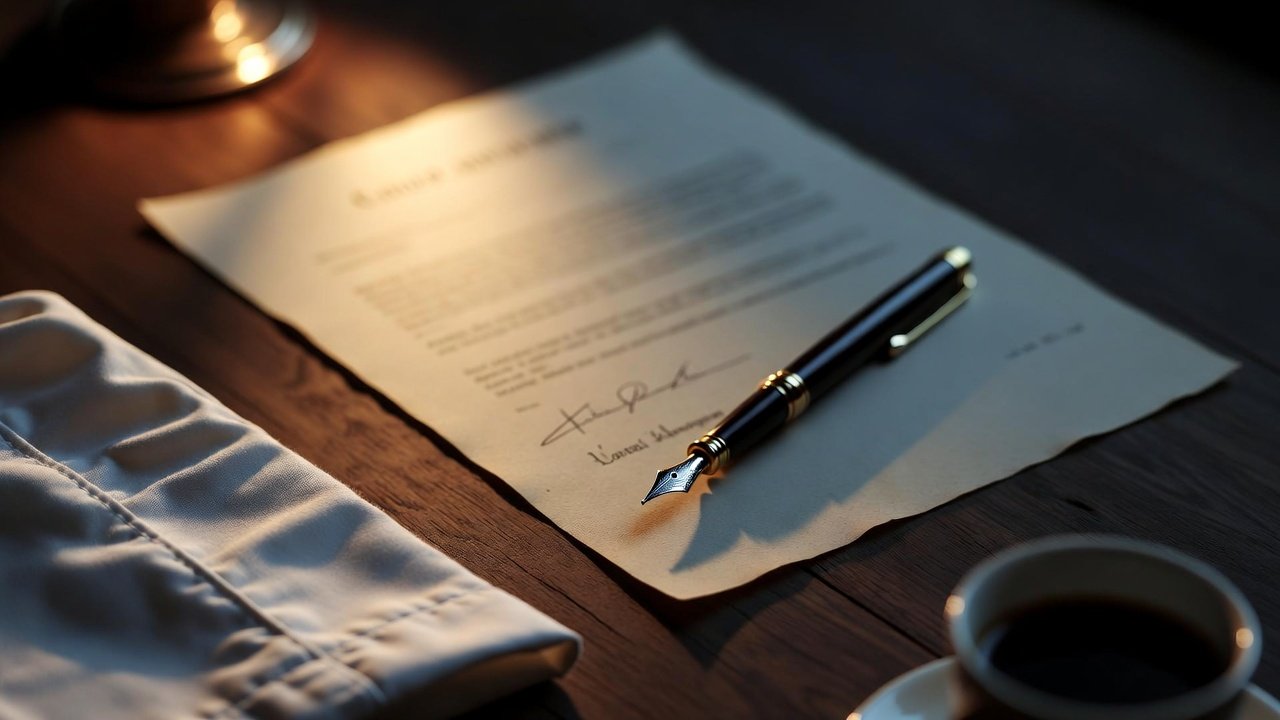
Why Most Personal Chefs Don’t Use Contracts (and What It Costs Them)
When I started out as a private chef, I didn’t have a contract. No written agreement, no deposit terms, no cancellation policy. Just a text message confirming the details.
Most chefs start this way. And most chefs learn the hard way why it doesn’t work. A client cancels days before the event. You’ve already bought groceries. You’ve cleared your schedule. You’ve turned down another booking. And because there’s nothing in writing, you have no recourse. You lose the revenue, the time, and the opportunity cost of the booking you turned away.
This is one of the most common stories I hear from chefs. Most personal chefs avoid contracts because they feel too formal, too aggressive, or like they’re going to scare clients away. But the opposite is true. A contract protects both you and the client. It sets clear expectations, prevents misunderstandings, and ensures you’re paid fairly for your work.
In this post, I’ll walk you through the specific clauses every personal chef contract needs, plus how to present a contract to clients without losing the deal.
The Specific Clauses Every Personal Chef Contract Needs
A solid personal chef contract doesn’t need to be complex. But it does need to cover three critical areas: payment, cancellation, and liability. These are the three things that protect your income when things go wrong.
1. Deposit and Payment Terms
This is the section that keeps you from losing money. Here’s how I structure mine:
A 15% deposit is due within 7 days of the invoice to confirm the booking. If the event is less than a week away, the deposit is due the next day. This non-refundable deposit holds the date and shows that the client is committed.
The remaining balance, 85% of the total, is due the Monday after the event. This gives me time to deliver the service and confirm everything went smoothly before they pay the final amount.
Why these specific numbers? The 15% deposit is significant enough to discourage casual cancellations, but small enough that clients don’t feel defensive about paying it. The Monday after the event gives you time to invoice without pressure, and it signals professionalism. You’re not asking for money before they’ve tasted the food.
In your contract, be specific about payment methods too. Do you take e-transfer? Credit card? PayPal? Write it down. Don’t leave room for confusion on the day of the event.
2. Cancellation and Rescheduling Policies
This is where most chefs lose money. Without a cancellation policy, a client can walk away at any time and leave you with no recourse.
Here’s a cancellation structure that works well for most personal chefs:
If a client cancels more than 14 days before the event, you refund 100% of their deposit minus a reasonable admin fee ($50 is a common starting point). If they cancel between 7 and 14 days, the deposit is non-refundable. If they cancel within 7 days of the event, they owe you 50% of the total invoice, regardless of whether you’ve already shopped or prepped.
Why these thresholds? The further out they cancel, the more time you have to rebook that date or adjust your schedule. The closer to the event, the more out-of-pocket you are, and the more you deserve to be protected.
For rescheduling, allow it with at least 14 days notice, and only if you have availability. Don’t let clients push you around with last-minute reschedule requests that force you to reorganize your entire calendar.
3. Liability and Allergy Disclaimers
This section is where you protect yourself from liability, especially around allergies. Your contract should clearly state:
You will do your best to accommodate known allergies, and the client is responsible for providing a complete and accurate list of allergies before the event. If a client doesn’t disclose an allergy, or if cross-contamination occurs despite your best efforts, you are not liable. You recommend they inform you of any severe allergies in advance so you can adjust the menu or discuss risk tolerance.
Include a statement that while you take allergies seriously, you are not a medical professional and cannot guarantee a 100% allergen-free kitchen.
This is not about being cold or dismissive. It’s about being honest and transparent. Most clients appreciate knowing the limits of what you can guarantee, and it protects you from impossible expectations.
How to Present a Contract Without Scaring Off Clients
The biggest fear I hear from personal chefs is that sending a contract will kill the deal. “They’ll think I’m being difficult” or “They’ll take their business somewhere else.”
In my experience, the opposite happens. Clients respect professionalism. They’re hiring you because they want a premium experience, and a contract is part of that premium experience.
Here’s how I introduce the contract:
After the initial inquiry and once we’ve agreed on a date, I send them the invoice along with a short email: “I’ve attached the invoice for your event, plus a simple contract that outlines how we’ll work together. It covers payment terms, cancellation policy, and how we handle allergies. Take a look and let me know if you have any questions.”
That’s it. No apologies. No over-explaining. I present it as a standard part of the process, because it is. Clients almost never refuse to sign or walk away because of a contract.
What I have seen is the opposite. Clients feel more confident hiring me because everything is clear upfront. They know exactly what to expect, and they trust that I’m organized and professional.
If a client pushes back on a specific clause, be willing to discuss it. Maybe they have a legitimate concern about rescheduling or a specific allergy situation. But don’t cave on the fundamentals. A 15% deposit and a reasonable cancellation policy are not unreasonable requests.
The Template You Need
You don’t need a lawyer to write a contract, but you do need one to review it before you use it professionally. I’m not a lawyer, and this post is based on my experience running a private chef business, not legal advice. Every situation is different, and your contract should reflect your specific terms, your location, and your business model.
That said, here’s the framework I use:
Header: Your name, contact information, the client’s name, event date, and invoice number.
Services: A brief description of what you’re providing (e.g., “4-course dinner for 20 guests on [date]”).
Cost: Total invoice, deposit amount and due date, remaining balance and due date.
Cancellation Policy: Your specific thresholds and refund terms.
Allergies and Liability: Your statement about accommodations and limitations.
Terms: How you communicate (email, text, phone), what the client provides (kitchen access, plates, glasses), and what you bring.
Signature lines: For you and the client.
That’s the basic structure. From there, you can adjust based on your business and what you learn from experience.
What a Contract Really Says About You
A contract isn’t a sign that you don’t trust your clients. It’s a sign that you respect your business enough to protect it. It says you’re professional. It says you’re organized. It says you’ve thought through what could go wrong and you’ve put systems in place to handle it.
Clients don’t book a personal chef to save money. They book because they want a premium experience. And a premium experience includes clarity, professionalism, and trust. A contract delivers all three.
If you don’t have one yet, write one this week. Review it with a lawyer who knows small business in your area. Then use it with every client going forward. Your future self will thank you the first time a situation gets complicated and you have a contract to refer to.
Ready to Systematize Your Chef Business?
A contract is just one piece of running a professional private chef operation. If you’re ready to build systems that protect your income, attract better clients, and scale without burning out, the Systems Optimizer gives you the templates, frameworks, and step-by-step guides to run your business like a real business.
Or if you want personalized guidance on pricing, contracts, and client management, book a Chef Business Audit. I’ll review your current setup, identify gaps, and give you a concrete action plan to protect your revenue and build the business you actually want.